Eco-Friendly Accommodations in Morocco: The Complete Guide to Sustainable Stays
Morocco has become one of the world’s most captivating travel destinations. From the colorful streets of Marrakech to the dramatic Atlas Mountains, the endless Sahara Desert, and the Atlantic coastline, the country offers an incredible diversity of landscapes and cultures. But as tourism continues to grow, travelers have a greater opportunity—and responsibility—to make choices that positively impact the places they visit.
One of the most important choices you will make during your trip is where you stay.
Choosing eco-friendly accommodations in Morocco is about much more than finding a hotel with solar panels or a sign encouraging guests to reuse towels. True sustainable accommodation protects the environment, preserves Morocco’s cultural heritage, creates employment for local communities, and ensures that tourism benefits the people who call these extraordinary places home.
At Morocco Green Tours, we’ve spent years exploring the country’s remote valleys, Amazigh villages, desert communities, and family-run guesthouses. We’ve learned that the most memorable places to stay are often those that combine authentic Moroccan hospitality with genuine respect for nature and local traditions.
In this guide, you’ll learn what makes an accommodation truly sustainable, the different types of eco-friendly stays available throughout Morocco, and how you can make responsible choices that enhance both your journey and the communities you visit.
What Makes an Accommodation Eco-Friendly?
Many accommodations today describe themselves as “green” or “eco-friendly.” While some genuinely deserve those labels, others simply use them as marketing terms.
A truly sustainable accommodation focuses on balancing environmental responsibility with social and cultural impact.
Supporting Local Communities
Perhaps the most important characteristic of sustainable accommodation is that it benefits local people.
Family-owned guesthouses, locally managed riads, and community-operated lodges often reinvest tourism income directly into the surrounding villages. Rather than profits leaving the region, they help support local employment, education, farming, and traditional craftsmanship.
When you choose locally owned accommodation, your money stays within the community.
Respecting Traditional Architecture
Morocco has a rich architectural heritage.
Many sustainable accommodations restore traditional mud-brick kasbahs, stone mountain houses, or historic riads instead of replacing them with modern concrete buildings.
These traditional construction techniques naturally regulate indoor temperatures, reducing the need for excessive heating or air conditioning while preserving local identity.
Conserving Water
Water is one of Morocco’s most precious natural resources, particularly in the southern regions and the Atlas Mountains.
Eco-conscious accommodations often install:
- Low-flow showers
- Water-saving toilets
- Rainwater collection systems
- Drip irrigation for gardens
- Native plants requiring less irrigation
These simple measures make a significant difference in regions where every drop counts.
Using Renewable Energy
Many eco-lodges across Morocco have invested in renewable energy, especially solar power.
Thanks to Morocco’s abundant sunshine, solar panels provide an excellent source of electricity and hot water while reducing dependence on fossil fuels.
Reducing Waste
Plastic pollution has become a global challenge, and Morocco is no exception.
Responsible accommodations actively reduce waste by:
- Eliminating single-use plastics
- Providing refillable drinking water
- Recycling where facilities exist
- Composting organic waste
- Purchasing products in bulk
Why Sustainable Accommodation Matters in Morocco
Travel has enormous potential to create positive change.
When managed responsibly, tourism helps preserve historic buildings, protects natural landscapes, and provides stable incomes for communities that might otherwise rely on limited economic opportunities.
In Morocco, this is especially important.
Preserving Amazigh Heritage
Across the Atlas Mountains, many Amazigh villages have maintained centuries-old traditions of farming, weaving, architecture, and hospitality.
By staying in locally owned guesthouses, visitors directly contribute to preserving these traditions while allowing younger generations to remain in their communities instead of migrating to cities.
Tourism becomes a way of protecting culture rather than replacing it.
Supporting Rural Economies
Remote regions often receive fewer economic opportunities than major cities.
For many mountain villages, tourism provides income through accommodation, guiding, local food production, handicrafts, and transportation.
Each overnight stay helps create employment for cooks, drivers, guides, farmers, artisans, and families.
Protecting Morocco’s Natural Beauty
Responsible accommodations are often located in areas of exceptional natural beauty.
By minimizing environmental impact, they help preserve mountain ecosystems, desert landscapes, oases, and forests for future generations.
Types of Eco-Friendly Accommodations in Morocco
Morocco offers an incredible variety of sustainable places to stay.
Rather than searching only for luxury hotels, consider these authentic alternatives.
Traditional Riads
Riads are among Morocco’s most iconic accommodations.
Originally built around peaceful interior courtyards, they naturally remain cool during hot summers while showcasing beautiful Moroccan craftsmanship.
Many historic riads have been carefully restored instead of demolished, preserving architecture that has stood for centuries.
When choosing a riad, look for independently owned properties that employ local staff and source products from nearby businesses.
Mountain Guesthouses
Throughout the High Atlas Mountains, small guesthouses provide visitors with unforgettable hospitality.
Meals are often prepared using vegetables grown nearby, homemade bread, olive oil, local honey, and seasonal ingredients.
Unlike large hotels, these guesthouses often welcome only a handful of visitors at a time, creating meaningful connections between travelers and local families.
Kasbahs
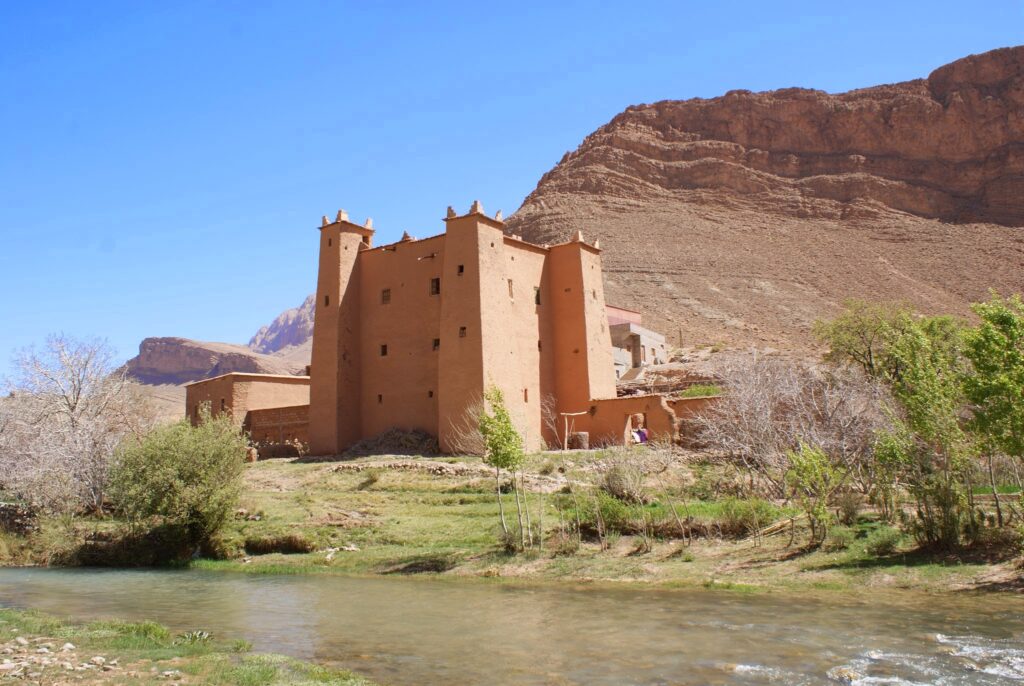
Kasbahs are among Morocco’s most iconic and historic accommodations. Originally built as fortified homes or villages using traditional earth and stone construction, many have been carefully restored into charming guesthouses that preserve the country’s architectural heritage.
Staying in a restored kasbah offers much more than a unique place to sleep. It allows travelers to experience centuries-old craftsmanship, thick earthen walls that naturally regulate indoor temperatures, beautifully decorated courtyards, and authentic Moroccan hospitality.
Many family-owned kasbahs are located in southern Morocco, particularly around the Dades Valley, Skoura Oasis, Ouarzazate, and the Rose Valley. By choosing these accommodations, visitors help preserve historic buildings that might otherwise deteriorate while supporting local families who continue the traditions of welcoming guests and sharing their culture.
When selecting a kasbah, look for independently owned properties that employ local staff, serve homemade regional cuisine, and have restored the building using traditional materials whenever possible.
Gîtes d’Étape
Gîtes d’étape are simple, welcoming guesthouses traditionally designed for hikers, cyclists, and travelers exploring Morocco’s rural regions. The name comes from the French term for a “stopover lodge,” and these accommodations have become an essential part of sustainable tourism, particularly in the High Atlas Mountains.
Unlike large hotels, gîtes d’étape are usually family-run and offer a warm, personal atmosphere where guests share homemade meals prepared with locally sourced ingredients. Many are located in remote Amazigh villages, giving travelers the opportunity to experience everyday mountain life while contributing directly to the local economy.
Although facilities are often more modest than those found in luxury accommodations, the experience is far more authentic. Guests can enjoy traditional Moroccan hospitality, stunning mountain scenery, and meaningful conversations with local hosts who know the region intimately.
For trekkers and nature lovers, staying in a gîte d’étape is one of the best ways to travel responsibly in Morocco. It supports rural communities, reduces the environmental footprint of tourism, and creates genuine cultural exchanges that are often the highlight of a journey through the Atlas Mountains.
Eco-Lodges
Eco-lodges are specifically designed to minimize environmental impact while immersing guests in nature.
Many use:
- Solar energy
- Natural building materials
- Composting systems
- Local food suppliers
- Eco-friendly cleaning products
Some even organize environmental education activities and community projects.
Family Homestays
For travelers seeking authentic cultural experiences, few accommodations compare to staying with a local family.
Sharing meals, learning daily traditions, participating in bread making, farming, or traditional crafts offers a perspective that hotels simply cannot provide.
At Morocco Green Tours, our nomadic homestays are among our most meaningful experiences because they create genuine cultural exchange while ensuring tourism directly supports the host families.
Desert Camps
The Sahara has become one of Morocco’s most popular attractions.
However, not every desert camp operates sustainably.
Some camps consume significant amounts of water and electricity to provide luxury amenities that are difficult to maintain in fragile desert environments.
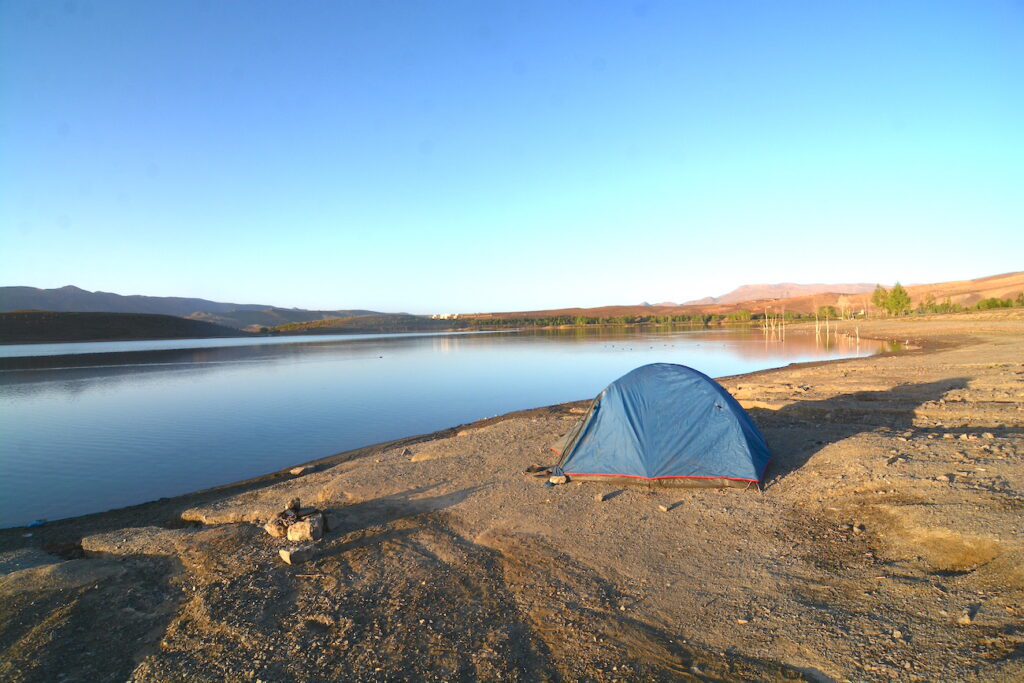
Others focus on smaller-scale operations, employing local people, managing waste responsibly, and minimizing environmental impact.
Choosing these camps helps protect one of Morocco’s most delicate ecosystems.
How to Recognize Greenwashing
Not every accommodation advertising itself as “eco-friendly” actually follows sustainable practices.
Here are a few questions worth asking before booking:
- Is the property locally owned?
- Are local people employed?
- Does the accommodation reduce plastic waste?
- Are meals prepared using local ingredients?
- Does it conserve water?
- Does it use renewable energy?
- Does tourism benefit nearby communities?
If these questions cannot be answered clearly, the sustainability claims may be more about marketing than genuine environmental responsibility.
How Morocco Green Tours Selects Accommodation
Sustainability isn’t simply something we talk about—it guides every itinerary we create.
When selecting accommodations for our Sustainable Morocco tours, we prioritize places that reflect our values.
We prefer family-owned guesthouses, traditional riads, mountain lodges, community-based eco-lodges, and authentic homestays where tourism directly benefits local people.
Many of the families we work with have welcomed travelers for years, allowing guests to experience Moroccan hospitality while helping preserve local traditions and creating meaningful economic opportunities.
Rather than choosing accommodations solely based on luxury, we seek places that offer authenticity, comfort, cultural immersion, and positive community impact.
Simple Ways Travelers Can Make Their Stay More Sustainable
Every traveler can reduce their environmental footprint through small actions.
- Carry a reusable water bottle.
- Turn off lights and air conditioning when leaving your room.
- Take shorter showers.
- Respect local customs and traditions.
- Buy handmade products directly from artisans.
- Eat locally produced food.
- Hire local guides.
- Stay longer in fewer destinations instead of rushing across the country.
These choices help ensure tourism remains a force for good.
Frequently Asked Questions
Are eco-friendly accommodations more expensive?
Not necessarily. Many family-run guesthouses and rural lodges are more affordable than international hotels while offering a richer cultural experience.
Are sustainable accommodations comfortable?
Absolutely. Sustainability doesn’t mean sacrificing comfort. Many eco-lodges combine modern amenities with traditional architecture and local hospitality.
Is staying with local families safe?
When arranged through reputable local operators, family homestays are among the safest and most rewarding ways to experience Moroccan culture.
Can luxury accommodations also be sustainable?
Yes. Some luxury properties have invested significantly in renewable energy, water conservation, and community partnerships. The key is looking beyond marketing claims to understand their actual practices.
Which region offers the best eco-friendly stays?
The Atlas Mountains are among the best regions for sustainable accommodation thanks to their network of locally owned guesthouses, mountain lodges, Amazigh villages, and community tourism initiatives. Other excellent areas include the Skoura Oasis, the Rose Valley, parts of the Sahara, and the Atlantic coast.
Final Thoughts
Choosing eco-friendly accommodations in Morocco transforms your journey from a simple holiday into a meaningful travel experience.
Whether you spend the night in a beautifully restored riad, a mountain guesthouse overlooking the High Atlas, an eco-lodge surrounded by nature, or a welcoming nomadic homestay, your choice can directly support local families, preserve cultural traditions, and protect Morocco’s extraordinary landscapes.
Responsible travel isn’t about giving up comfort—it’s about making thoughtful decisions that benefit both travelers and the destinations they visit. By staying in accommodations that prioritize sustainability, you become part of a growing movement that values authentic experiences, environmental stewardship, and community well-being.
At Morocco Green Tours, we believe that the places you stay should tell a story just as memorable as the destinations you explore. That’s why we carefully select accommodations that reflect the true spirit of Morocco: warm hospitality, rich traditions, breathtaking landscapes, and a deep connection between people and place.
Your accommodation is more than just a place to sleep—it’s an opportunity to travel with purpose and leave a positive impact long after your journey ends.